
RjX Engineering performs a coordination study to ensure that devices in the system operate in the desired order to clear faults. The analysis includes:
Generation of recommended protective device settings for all protective devices within the system
Creation of Time Current Curves (TCCs) for each unique branch and their overcurrent protective devices
A coordination study ensures the safety and reliability of the system and those working on it. By evaluating and setting protective devices, system reliability and continuity of service are increased. This helps reduce costs associated with downtime and maximize productivity.
In addition, coordination analysis is an essential step to accurately calculate arc flash levels throughout the system. Through coordination analysis, a system can be configured to mitigate arc flash levels as much as possible while ensuring that system reliability and continuity is maintained.

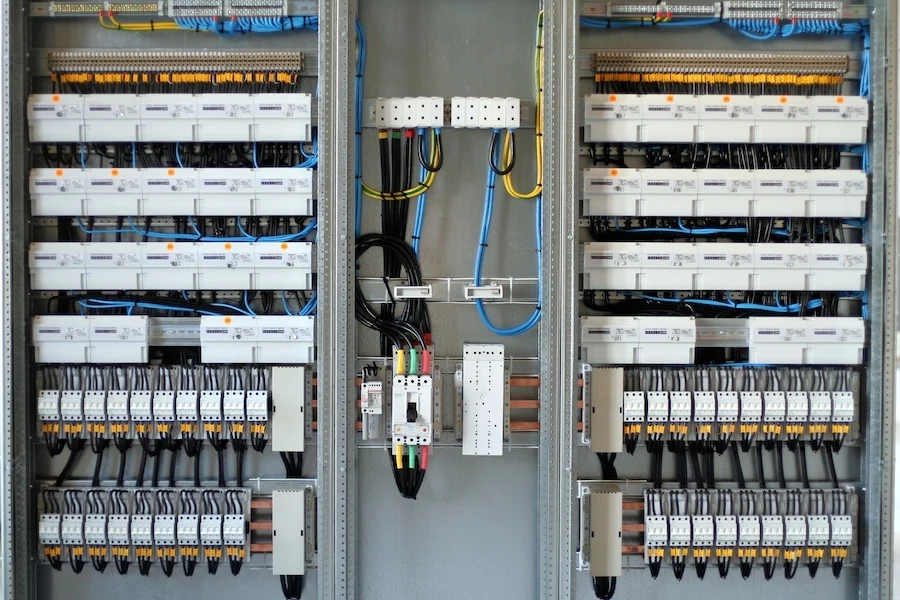
Appropriately setting overcurrent protective devices and checking to ensure that coordination within the system is maximized allows devices to trip in sequence as intended. So, instead of a fault downstream in the system tripping the main breaker of the facility, only the breaker closest to the fault is opened and removes the fault condition from the system.
In addition, sources of nuisance tripping, such as transformer inrush or motor starting, are negated as devices are set appropriately taking these types of conditions into account.